

Herbal Support for Healthy Aging Bones
Overview
As we grow older, our bones naturally lose density and strength. This change makes them more prone to fractures. It also leads to degenerative conditions such as osteoporosis and osteoarthritis. The skeletal system is a dynamic organ. It constantly remodels itself. Osteoclasts break down old tissue. Osteoblasts build new matrix.
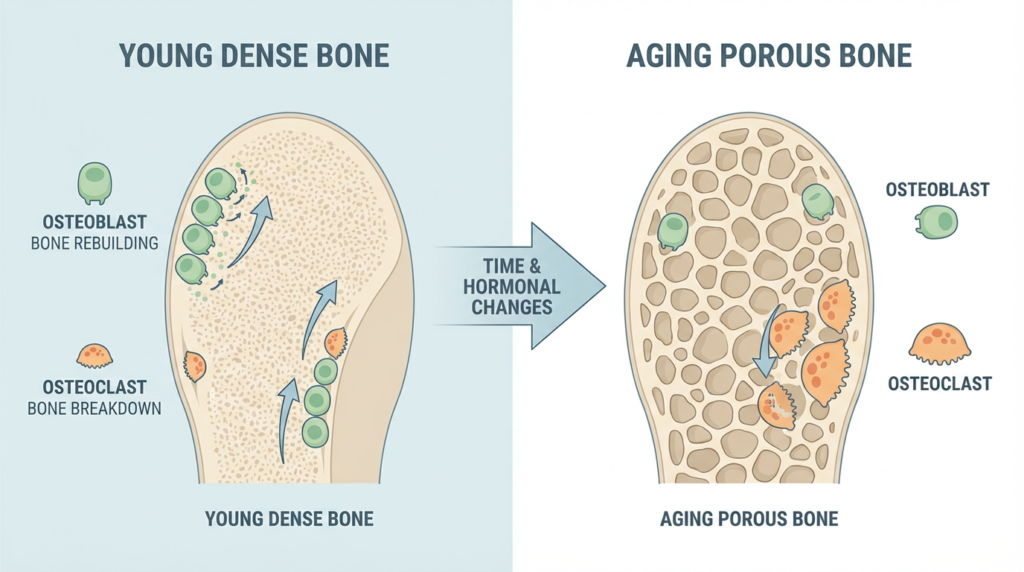
This delicate balance can be disrupted by hormonal changes. These include declining estrogen and testosterone. Nutrient deficiencies and chronic inflammation are also factors. Inactivity, smoking, and excessive alcohol consumption can also disrupt this balance.
Many people look to herbs and natural supplements for help with joint discomfort, inflammation and bone health. While no herb can reverse advanced bone loss, several plants contain compounds that support healthy bone turnover. Some plants reduce inflammation or supply minerals needed for bone formation.
This guide explores evidence-based herbs. They complement a balanced diet and lifestyle. It also offers practical tips to keep your bones strong as you age.
Understanding Bone Aging
How Bones Remodel and Age
Bone is living tissue comprised of a dense outer cortical layer and a spongy inner trabecular network. Throughout life, bone undergoes constant remodeling in response to mechanical stress, hormones and nutrients. During youth, osteoblasts build bone faster than osteoclasts break it down. After the age of 30, this process slowly reverses. Post‑menopausal women experience accelerated loss due to declining estrogen, and men experience a more gradual decline in testosterone.
Age‑related bone loss increases the risk of osteoporosis, a disease characterized by low bone mass and structural deterioration. Osteoarthritis, on the other hand, occurs when the cartilage that cushions joints breaks down. This leads to pain, stiffness, and a reduced range of motion. Both conditions are influenced by chronic inflammation, poor nutrition and sedentary lifestyles.
Conventional and Holistic Approaches
Standard medical treatments for osteoporosis include calcium and vitamin D supplements. Additional treatments involve bisphosphonates and hormone therapy. In severe cases, anabolic agents that stimulate bone growth are used. Osteoarthritis management focuses on pain relief with non‑steroidal anti‑inflammatory drugs (NSAIDs), physical therapy and surgical interventions for advanced disease.
A holistic approach goes beyond pharmaceuticals. It addresses underlying factors by ensuring adequate intake of bone‑building nutrients. This approach also promotes weight‑bearing exercise and maintaining healthy body weight.
Additionally, it uses herbs with anti‑inflammatory or bone‑supportive properties as adjuncts. Always consult a healthcare professional before starting new supplements, especially if you have underlying health conditions or take medications.
Top Herbs for Healthy Aging Bones
Turmeric and Curcumin
Mechanism of Action
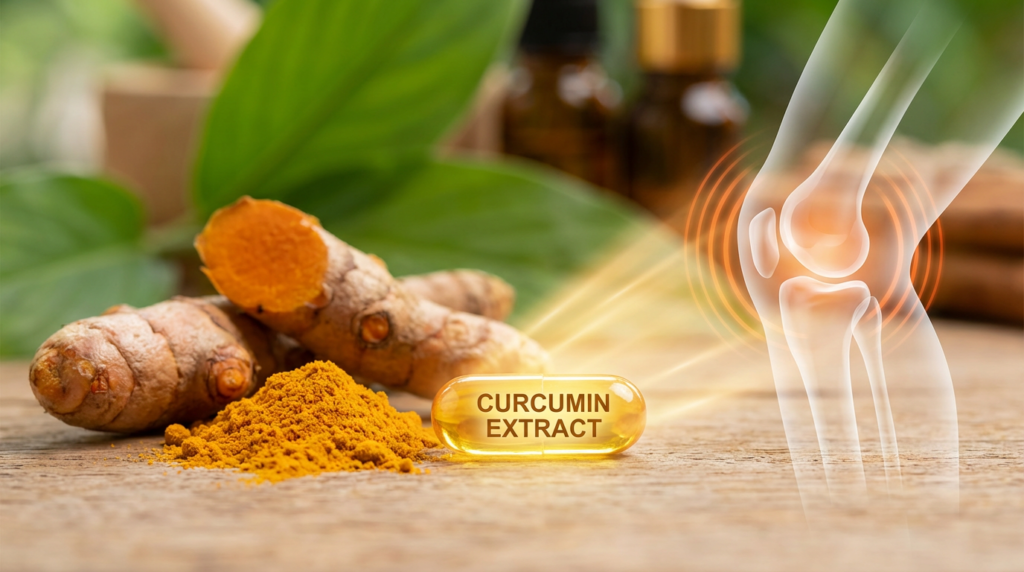
Turmeric (Curcuma longa) is a bright yellow root widely used as a culinary spice. Its primary active compound, curcumin, exerts strong antioxidant effects. It also has anti‑inflammatory effects by suppressing enzymes such as cyclo‑oxygenase‑2 (COX‑2) and nuclear factor kappa‑B (NF‑κB). Chronic inflammation contributes to cartilage breakdown in osteoarthritis and accelerates bone resorption in osteoporosis. Curcumin modulates inflammatory pathways and neutralizes free radicals. It inhibits cytokines.
These actions suggest it may protect joint tissues. It may also support bone remodeling. However, dried turmeric contains only 2 %–6 % curcumin, meaning culinary amounts are unlikely to provide therapeutic benefits.
Evidence for Bone and Joint Health
Human studies demonstrate curcumin’s potential to relieve joint pain and stiffness. A 2021 review of 15 randomized controlled trials found that curcumin supplements improved osteoarthritis symptoms. They were as effective as, or better than, NSAIDs. The Arthritis Foundation recommends 500 mg of high‑quality curcumin extract twice daily to manage osteoarthritis and rheumatoid arthritis. Harvard Health acknowledges that these supplements may help some people with osteoarthritis pain.
They may be more effective when combined with black pepper extract to enhance absorption. Unscrupulous manufacturers sometimes adulterate turmeric powder with lead chromate. Therefore, it is critical to choose reputable brands tested for heavy metals. High doses of curcumin can cause digestive upset and may interact with blood thinners, diabetes medications and gallbladder conditions.
There are limited data on curcumin’s direct effect on bone mineral density. However, reducing inflammation and pain may enable better mobility. This can lead to adherence to weight‑bearing exercise, indirectly supporting bone health.
Practical Use
Look for standardized curcumin extracts containing 95 % curcuminoids. Typical dosage ranges from 500 mg twice daily to 1 g per day. It should be taken with food. It is often combined with piperine (black pepper extract) to improve absorption. Golden milk (turmeric latte) and curries provide culinary amounts of turmeric but should not replace supplements for therapeutic effects. Start with lower doses to gauge tolerance and gradually increase. People with gallstones, bleeding disorders or who are pregnant should consult a doctor before taking turmeric supplements.
Cat’s Claw (Uncaria tomentosa)
Traditional Use and Active Compounds
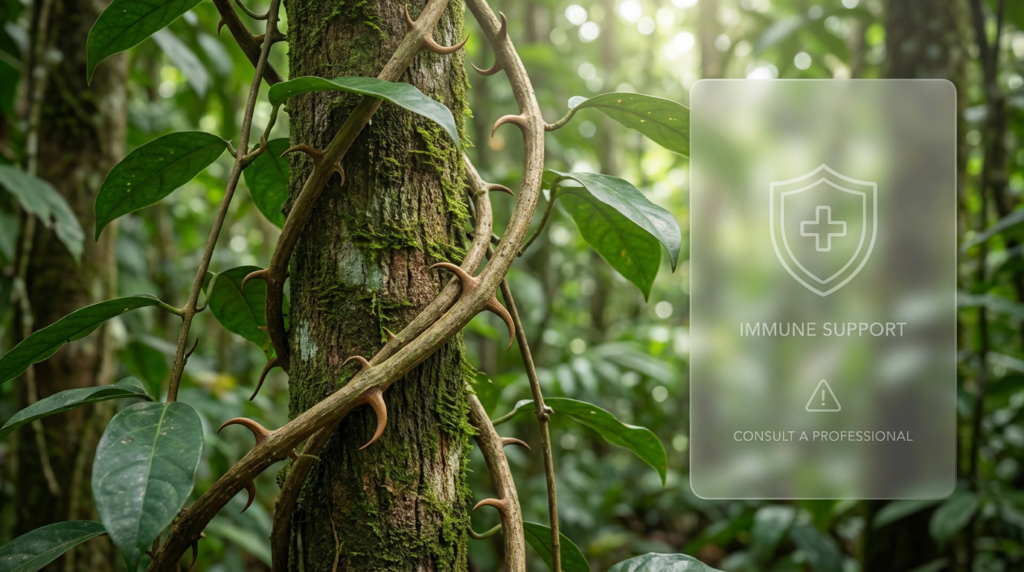
Cat’s claw is a vine from the Amazon. Its bark and roots are rich in oxindole alkaloids, polyphenols, and glycosides. These compounds are thought to support the immune system and reduce inflammation. Traditionally, it’s been used for digestive issues, arthritis, and wound healing. Modern use promotes it for osteoarthritis and immune support, but scientific backing is weak.
What the Research Says
WebMD states that there’s no solid evidence for using cat’s claw for osteoarthritis or rheumatoid arthritis. It may be safe for most adults short-term, but long-term use is not well understood. It can worsen autoimmune diseases like MS, lupus, and arthritis and may interfere with transplant medications. Possible side effects include nausea, headaches, and low blood pressure. Pregnant or breastfeeding individuals should avoid it.
How to Use Cat’s Claw Safely
Cat’s claw is available in tablets, capsules, tinctures, and teas. Typical doses range from 250 mg to 1,000 mg per day. Start with a lower dose and increase if tolerated. Avoid using it before surgery or with immunosuppressant or blood-thinning drugs without guidance. It should not replace primary treatments for bone health but can be used alongside medical advice.
Horsetail (Equisetum arvense)
Rich Source of Silica
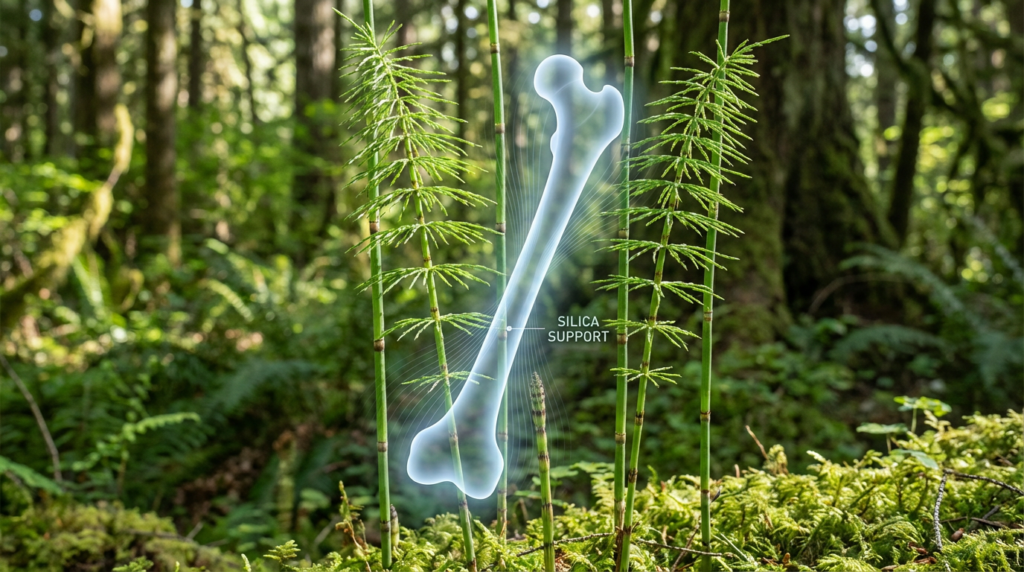
Horsetail is an ancient plant that is high in silica. Silica supports bone health. It also aids in collagen production and connective tissue. Traditionally used for wound healing and urinary issues, it’s now considered for promoting bone formation and increasing bone density.
Evidence and Caution
Research shows horsetail may aid bone formation, but human studies are limited. It’s also a source of thiaminase, which can cause vitamin B₁ deficiency with long-term use. Those with kidney issues or on lithium or diuretics should avoid it. Doses over 900 mg daily may be unsafe.
Practical Guidance
Horsetail can be taken in capsules, tinctures, or teas. Typical doses range between 300 mg and 500 mg per day. Avoid using it continuously for more than six weeks, and consider a thiamine supplement. Pregnant, breastfeeding, or individuals with heart or kidney conditions should consult a doctor before using horsetail.
Stinging Nettle (Urtica dioica)
Nutrient-Dense Botanical
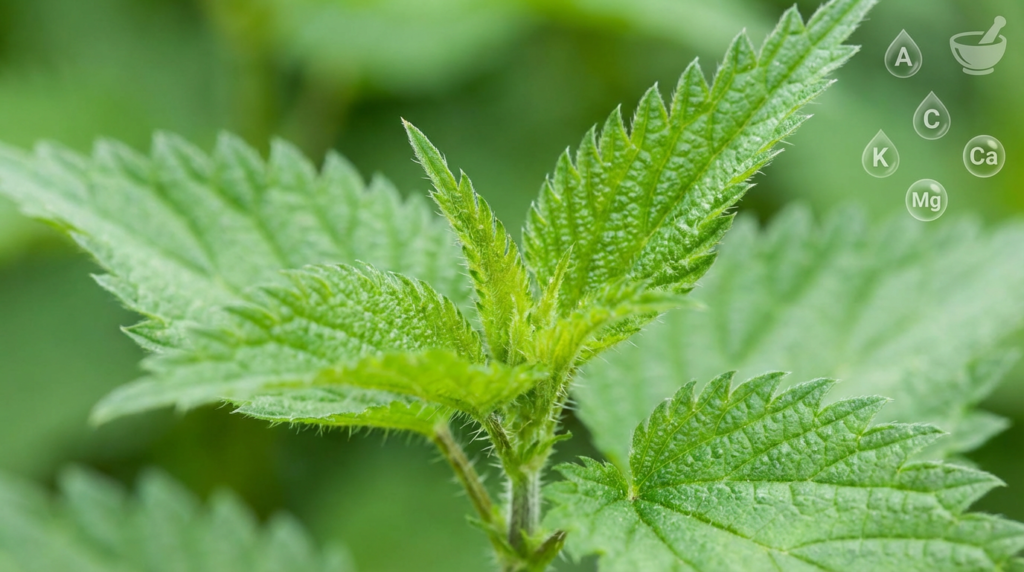
Nettle is high in vitamins A, C, and K. It also contains minerals like calcium and magnesium. These are important for bone health. Though not as widely studied for bones, its nutrient content supports bone maintenance.
Evidence for Pain Relief
Some studies suggest that nettle can reduce pain and inflammation, especially in joint issues like arthritis. While more research is needed on its effects on bone density, its anti-inflammatory properties may help reduce joint discomfort.
How to Use
Nettle can be consumed as tea, cooked greens, or in capsules. People on blood-thinning medications should be cautious due to its vitamin K content.
Lifestyle Strategies for Strong Bones
Focus on Nutrient-Rich Foods
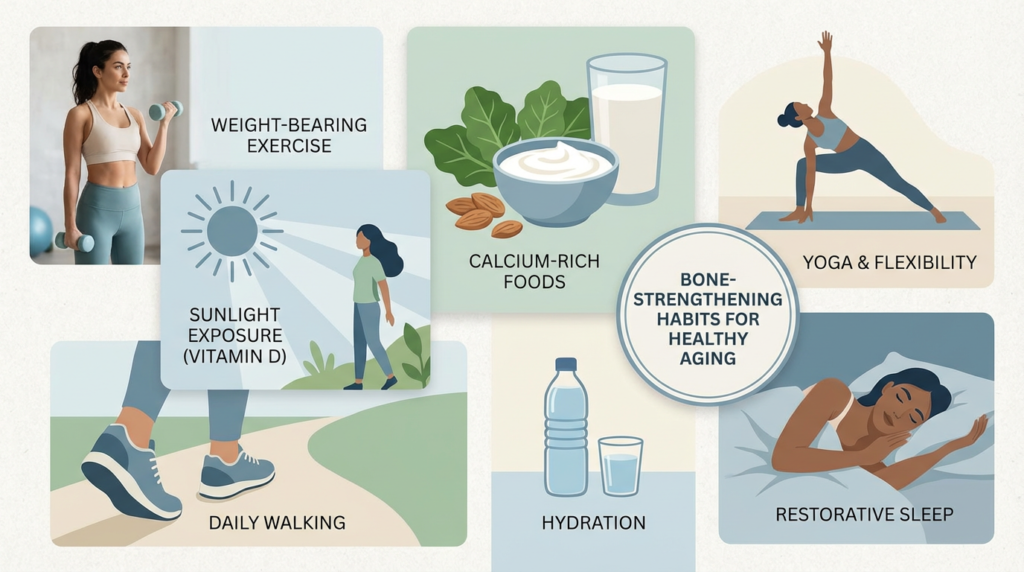
Calcium, vitamin D, magnesium, and potassium are essential for bone health. Adults need 1,000–1,200 mg of calcium daily, with sources including dairy, fortified plant milk, leafy greens, and fish with bones. Vitamin D helps absorb calcium, and protein supports bone strength. A balanced diet with these nutrients is key.
Engage in Weight-Bearing Exercise
Exercise that works against gravity, such as walking or strength training, helps maintain bone density. Aim for 150 minutes of aerobic activity per week and 2-3 strength training sessions.
Maintain a Healthy Weight and Avoid Toxins
Being overweight or underweight can affect bone health. Smoking and excessive alcohol weaken bones, so maintaining a healthy weight and avoiding toxins is important.
Manage Chronic Inflammation
An anti-inflammatory diet rich in fruits, vegetables, and fatty fish can support bone health. Avoiding processed foods and managing stress are also crucial.
Safety Considerations
- Consult Your Doctor: Always speak with a healthcare provider before taking herbal supplements. This is especially important if you have chronic conditions or take medications.
- Use Evidence-Based Products: Choose supplements from reputable brands that test for contaminants and provide clear information on active compounds.
- Monitor Dosage and Duration: Follow recommended doses and avoid long-term high doses of certain herbs.
- Complement, Don’t Replace, Medical Care: Supplements should support, not replace, medical treatments for bone health.
Conclusion
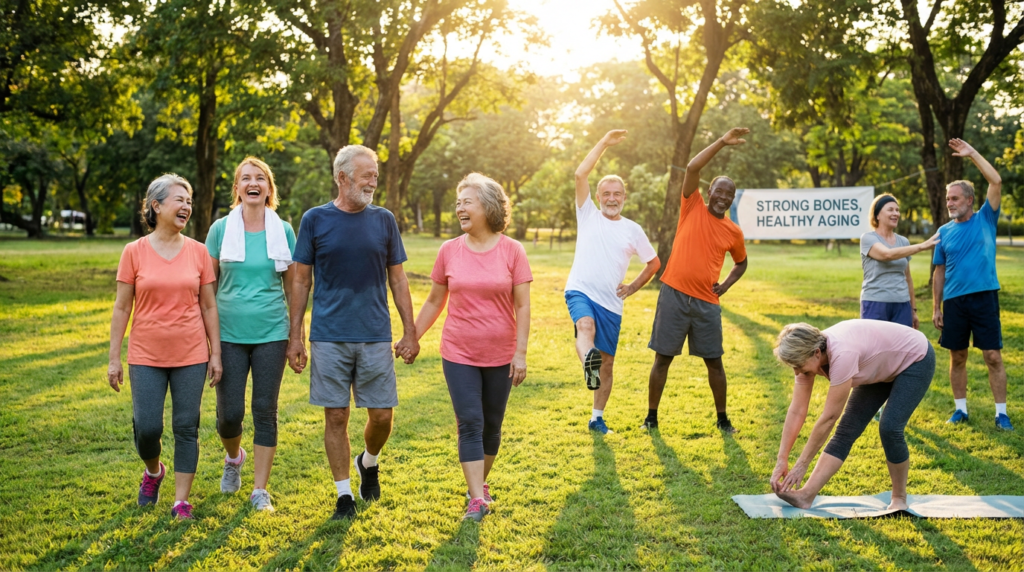
Aging bones require attention. A balanced diet, regular exercise, and lifestyle choices like not smoking and managing stress help preserve bone health. Herbs like turmeric, cat’s claw, horsetail, and nettle offer support but should not replace medical treatments. Always consult your doctor before adding supplements. Combine them with a healthy lifestyle to maintain strong bones. This approach will enhance mobility into your later years.
This is a good recipe it one can follow it religiously .
Very true.
Thanks a lot.